
Smart Home Devices That Work: Smart Home Upgrades: A Full Guide to Them
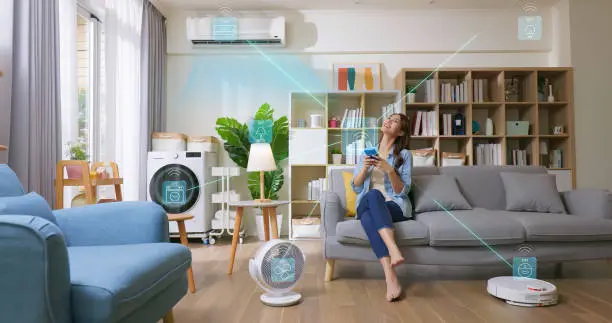
Smart Home Devices That Work
While planning for enhancements to our homes, smart technology tends to dominate our thoughts. Discovering the clever devices that work smoothly and effectively with each. Other may be an overwhelming task, having such a huge set of gizmos to choose from. Whether it’s lighting your home, securing your house, or optimizing. Your energy usage, well-selected smart home solutions can change the way you live at home. This guide is intended to give you the essential information that you need in order to choose smart home products that deliver. On their promises without going through complexities and the use of technical language. Whether you are a newcomer to smart home technology or you’re eager to enhance your existing systems. The emphasis of this guide is on helping you make practical moves that will save both your time and money and resources in the long run.
What Defines Smart Home Devices That Work?
A smart home device does more than just being a Wi-Fi-enabled device. A worthwhile smart home device that works is consistent, user-friendly. And easily corresponds with other products with no constant glitch or convoluted setup. Reliable devices actually respond exactly as expected, easily connect with popular platforms such as Alexa, Google Assistant, or HomeKit, and are easy to use from your smartphone or voice commands. If you have been struggling with a smart light consistently losing internet connection or a thermostat making repeated errors in judging the indoor climate, it will not come as a surprise if you know the troubles posed by scraps such as these. This makes the selection of smart home devices that work very important right at the beginning to ensure an information flow without interruption.
Top Categories of Smart Home Devices That Work
1. Smart Thermostats
It is possible to reduce energy bills considerably by optimizing your home’s temperature use. Intelligent thermostats like the Ecobee or the Nest Learning Thermostat control your home’s temperature to the dot and program themselves based on your habits. Using sensors that detect occupancy and weather changes, these devices automatically change settings according to your particular needs. These smart home devices that work tend to do very well in places where there are variable weather conditions or expensive utility bills.
2. Smart Lighting Systems
Smart lighting isn’t only about ambiance; it is truly convenient and efficacious. Philips Hue, Lutron Caseta, and TP-Link models enable you to set off your lights, dim them, and pick colors and remotely enable geofencing so that lights go off when you’re not at home. These smart home devices that work make it so convenient for you to control your home from anywhere; not only is it convenient, but also safe. Voice assistant compatibility means that you can toggle lights without having to navigate in the dark.
4. Smart Plugs and Outlets
Sometimes, solutions that are the easiest are beneficial. By using smart plugs, you make any device that can be plugged in smart, with the ability to schedule use of it and activate it remotely from your phone. Equipped with a coffee maker and a bedside lamp, these tiny yet powerful gizmos tend to be overlooked in the shadows to increase energy efficiency and cut down on your daily activities.
5. Smart Home Hubs and Assistants
Picking devices that work along with your current ecosystem reduces the problems with compatibility and ensures that your system is flexible for the future.
Choosing Effective Smart Home Gadgets
It can be difficult to resist the temptation of purchasing the latest or cheapest smart home gadget available. Not all pieces of technology are equally good. Instead, consider three main factors: compatibility, reliability, and support. Make sure the device is a perfect fit for the ecosystems you are already utilizing. If a product doesn’t play well with the current environment you have, it may just collect dust in your closet. Read actual user feedback instead of just stars. Does it always receive feedback of a consistent, smooth working of the device? Finally, support matters. Select products of firms that are well known for good customer care, and stay on top of software upgrades. By focusing on these details, you’ll wind up making purchases of products that mesh effortlessly with smart home devices that work day in and day out.
Real-Life Use Cases
Imagine that you just became a new parent. Establishing a smart baby monitor that provides real-time, high-quality video to your phone means that you’ll be able to keep an eye on your baby from afar without having to walk out to the room. For example, a relative of advanced years could be using smart sensors installed on doors and lights so that you are informed if there is any unusual activity or lack of activity. If you frequently leave on business, having cameras, locks, and smart lighting installed gives the impression of occupancy, which will prevent potential burglars. These scenarios are currently taking place in contemporary homes, and smart devices are working reliably on a daily basis.
Pitfalls to Avoid
It is tempting to jump on trends and purchase several gadgets that don’t even complement and require special apps. Avoid this by building slowly. Start your journey with proven essentials, adding other products to your list as you go. A lot of people suffer from poor or unreliable Wi-Fi signals. If your Wi-Fi is not strong enough, top-of-the-line smart devices might not work well. Upgrade your home’s connectivity through Wi-Fi extender installation or use of a solid mesh network setup. Remember, new-to-the-market brands with no update histories and community support commonly fly at the barest hint of difficulty.
Cost vs. Value
Even the non-trivial smart home devices may appear too expensive at the beginning. However, if you factor in the longer-term savings, the greater convenience, and the more efficient use of energy, you will often find that the cost is justified. A smart thermostat can save you anywhere from 10 up to 20% off your utility bill. Falling for a smart lock removes spare keys and improves the security of your home by so much. A simple smart plug installation can substantially reduce the energy lost from appliances that are not in use. Focus Smart Home Devices That Work more on the gimmick and less on how they really improve your home and everyday life.
Final Thoughts
You can create a smart home without becoming overwhelmed by complexity or high prices. What matters is to put quality over quantity, build your smart home around a central hub, and ensure that each device is an asset in your daily life. This will enable you to set up a system that will actually enhance your daily life. Selecting smart home devices that work and match your style of life instead of just being a novelty is the thing. Have informed choices, and your smart home arrangement will provide utility and pleasure for a long time in the future.
FAQs
Do I need a smart hub in order to equip my framework with smart home devices?
The vast majority of smart home devices can operate without human intervention using their built-in apps today. Nevertheless, the use of a hub can improve the way your devices work together and automate processes much better.
Are smart home devices hacker-proof?
The risk is low, but you should still use strong passwords, update firmware regularly, and buy products from trusted sources. This secures your smart devices from the security threats and encourages responsible integration.

Laissez votre commentaire